Free resources for February and March mental wellbeing awareness days
Awareness days are a good opportunity to join in and focus on a key topic in your wellbeing or education setting – either in its physical space, or digitally through your communication channels.
During February and March 2026 there are some events in the calendar to highlight, and free resources which we wanted to ensure you were aware of, so you can maximise awareness with your teams and the children and families you support.
9-15 February - Children’s Mental Health Awareness WeekChildren's Mental Health Awareness Week takes place from 9-15 February. This year’s theme from Place2Be is: ‘This is my place’ - exploring the importance of belonging for children and young people’s mental health and wellbeing.
As part of children and young people’s community, schools and colleges are an incredibly important environment for them to feel like they belong within. Yet we know not all do.
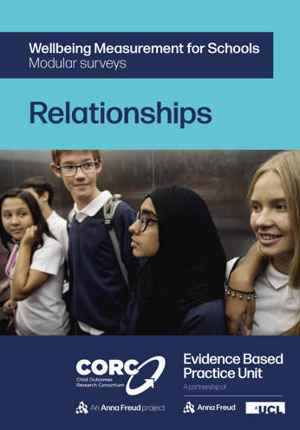
All of our Wellbeing Measurement for Schools modular surveys are available for free for schools and colleges to select from, but we particularly wanted to highlight these two booklets which can help you gain real-life data from your pupils and students about how they feel about their relationships and life in school.
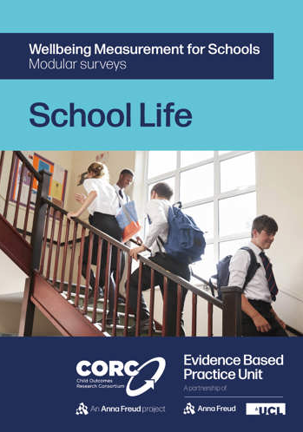
School Life modular survey resource
Relationships modular survey resource
During the week, our colleagues at Anna Freud will also be sharing ‘This is my place’ relevant content and resources on how we can build a greater sense of belonging for all children and young people, no matter their circumstances. We’ll be sure to share this through Linked In, Twitter and BlueSky.
23 February to 1 March - Eating Disorders weekEating disorders have been rising amongst children and young people. During 23 February to 1 March, Beat eating disorders are focusing on the power of community and the vital role family, friends, and other support networks play in helping someone feel supported, understood, and seek relevant help during Eating Disorders Awareness week.
CORC recently launched an Eating Disorders guideline: Using outcome and feedback tools in the treatment of children and young people with eating disorders to support mental wellbeing services be able to use specific measures of disordered eating, alongside more general measures of symptoms of mental health difficulties, or measures of life functioning or wellbeing, in addition to using goal-based measures to understand and track individual needs.
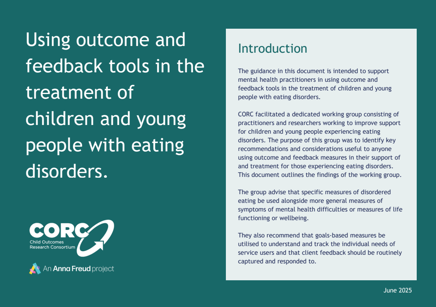
You can download this resource for free here:
16 to 20 March - Neurodiversity Celebration WeekNeurodiversity Celebration Week is a worldwide initiative that challenges stereotypes and misconceptions about neurological differences. It aims to transform how neurodivergent individuals are perceived and supported, and its purpose is to help people understand, value and celebrate the talents of neurodiverse minds.
You can take part during 16 to 20 March in the various learning events, or host your own.
CORC have recently launched a Neurodiversity guidance which looks at the challenges associated with using outcome measures as part of support for the emotional and mental health of neurodivergent children and young people, and guidance for developing better practice.
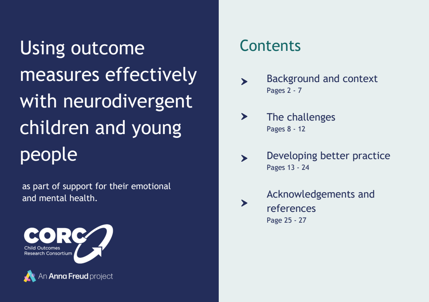
You can download this resource for free here:
Further awareness day resourcesFinally, our colleagues at Anna Freud provide free resources within their Mentally Healthy Schools website, for these and other events during this Spring term.
You can find these here:
Mental health and wellbeing calendar: Spring term 2026