Breathe Magic for mental health in pupil referral units
In England in 2023/24, there was a 24% increase in suspensions for primary school pupils, from 84,300 in the previous year to 104,800. There was also a 22% increase in the number of children permanently excluded from mainstream primary schools (1,500), compared to the previous year (1,200). The most common reason for permanent exclusions was persistent disruptive behaviour.
A Pupil Referral Unit (PRU) is an alternative education provision for children and young people who cannot attend mainstream school and who may not otherwise receive a suitable education. The aim of PRUs is to support the child to overcome their individual barriers to attainment and achievement, and meet their pastoral needs, with the objective to either reintegrate them into mainstream school, or their post-16 education provision, to enable them to thrive in the education system.
CORC conducted an evaluation for Breathe Arts Health Research to review their PRU intensive therapy programme: Breathe Magic, with the aim that the findings would help to inform the development of this programme, with a focus on learning from implementation for future delivery. The project was delivered in two separate pupil referral units in London across one academic year and was evaluated through a mixed-methods approach.
The Breathe Magic Intensive Therapy Programme is a goal-directed intervention developed in 2008 in partnership with occupational therapists and magicians. Tailored to each child’s abilities and needs, it incorporates specially selected magic tricks (by the Magic Circle) that provoke specific two-handed actions, performance and problem-solving skills.
Improvements have been reported in children’s self-esteem, confidence, emotion regulation, independence and self-motivation. Evidence suggests that magic-based interventions may have several other benefits including the development of lateral thinking and problem solving, cognitive and motor skills, teamwork and interpersonal communication and resilience .
The overarching aims of the evaluation were to explore the following key questions:
- Is Breathe Magic for Mental Health associated with an improvement in mental health and wellbeing among participants?
- Do professionals perceive the programme to support wider outcomes (including mental health and wellbeing)?
- What factors facilitate or hinder the implementation of the intervention in the way intended?
The findings of the evaluation provide evidence for each of the outcome areas, with the strongest evidence being for improved confidence and self-esteem, and improved communication skills.
The benefits were described as being transferred to the mainstream school setting, with improved attention and engagement being seen there in addition, suggesting an impact beyond the programme.
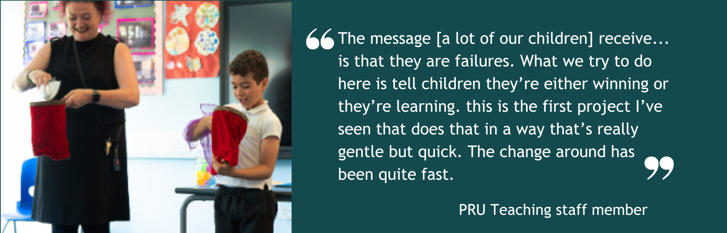
For children who may rarely experience success in school, mastering magic offered a meaningful and inclusive sense of achievement and pride.
Breathe Ars Research published this blog, which you can read in full here:
You can also access our summary report from this work here:
CORC evaluation summary report